

Showing all 8 results
Top rated products
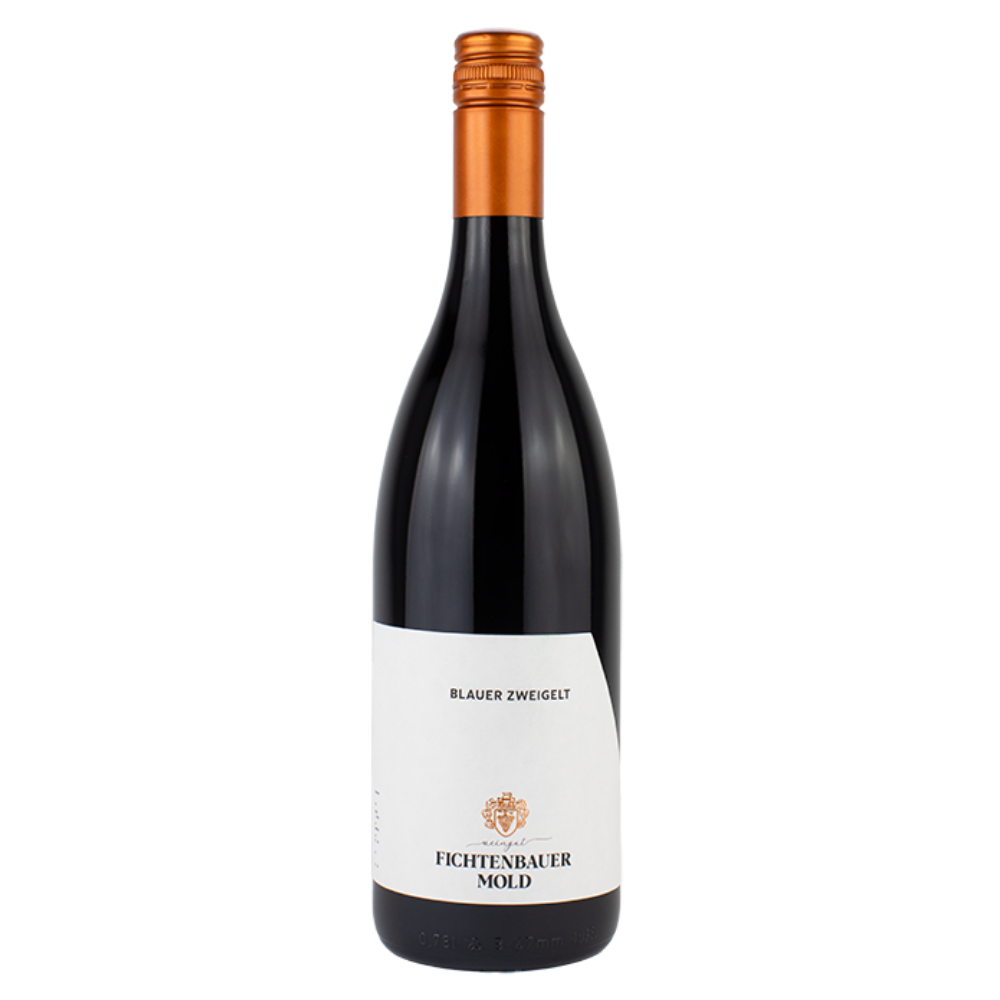
Blauer Zweigelt – Weingut
€ 12,95Our producer of mainly delicious Grüner Veltliner, embraces every stage of winemaking with dedication, from flower to bottle, with a strong connection to nature. They cherish their vineyards and grapes, adapting to each vintage and thereby creating year after year clear and authentic wines, reflecting the true nature of the grapes. Located in a picturesque Austrian wine region, Langelois Kamptal, the company is run with passion and conviction by the Fichtenbauer Mold family.
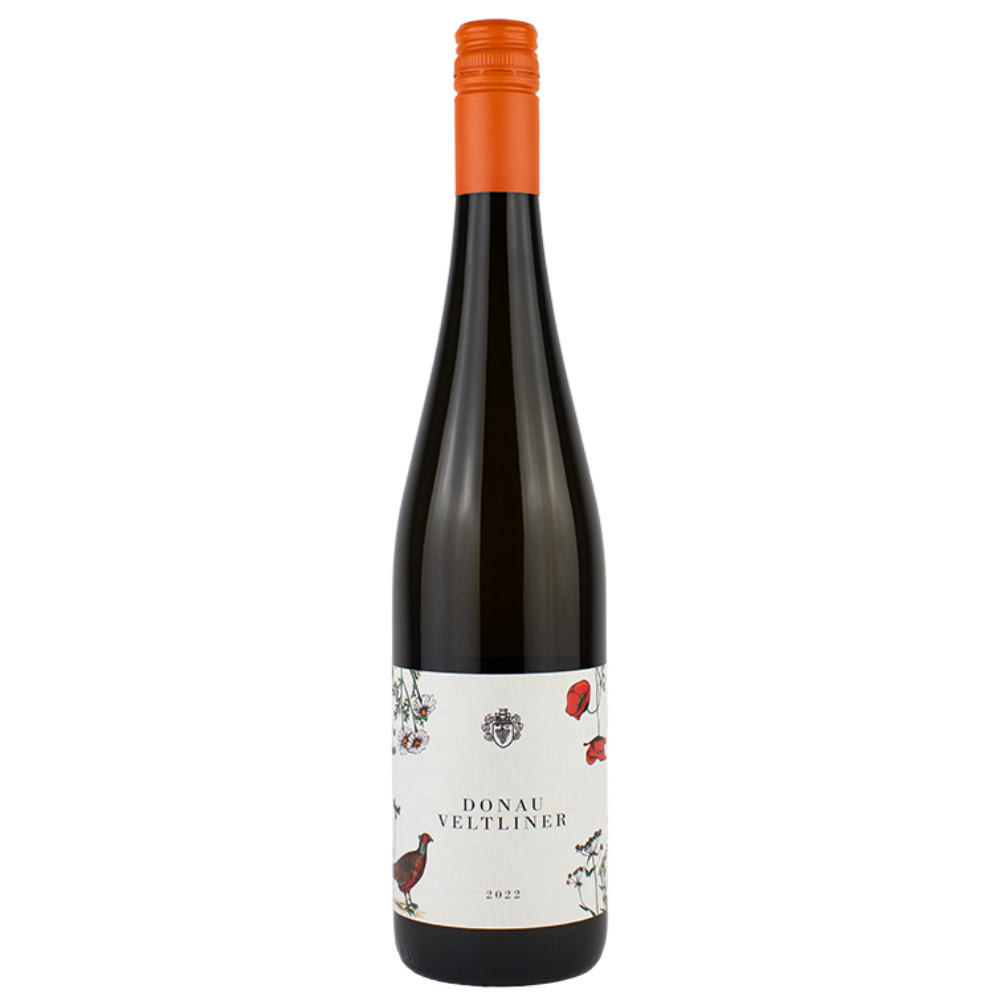
Donau Veltliner BIO
€ 14,22A cross between Grüner Veltliner and seyval blanc, Donau Veltliner is an Austrian variety that was first bred in 1996 and registered in Lower Austria in 2016. We couldn’t wait to see what the vines could do. Highly resistant to fungi, they were planted in 2018, and since then they have produced excellent, wonderfully balanced wines.
The delicate peppery-spicy aromas typical for Grüner Veltliner are overlaid with a distinct fruitiness – the 2022 vintage has vibrant pear notes. It’s an exciting wine that requires no pest control in ideal growing conditions – and it also delivers a completely new drinking experience.
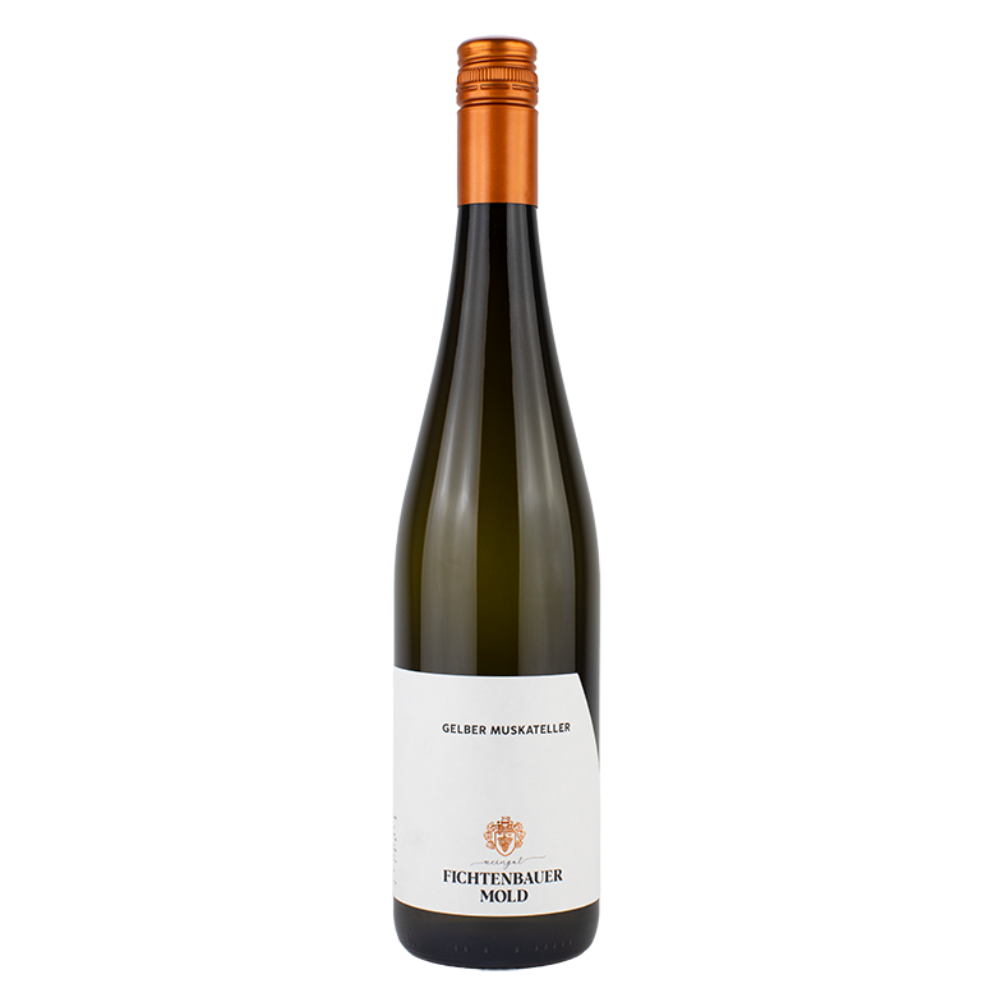
Gelber Muskateller – Fichtenbauer Mold
€ 13,46The grapes for this fresh, elegant Gelber Muskateller grow in one of our vineyards right next to the winery. It’s a prime example of what this variety has to offer – not too assertive, with subtle elderberry notes. The vines grow on multi-layered loess soil, which also contains clay, so the grapes ripen later than other varieties. Bottling takes place in spring, and from then on the wine develops the smooth character that makes it so enjoyable to drink.
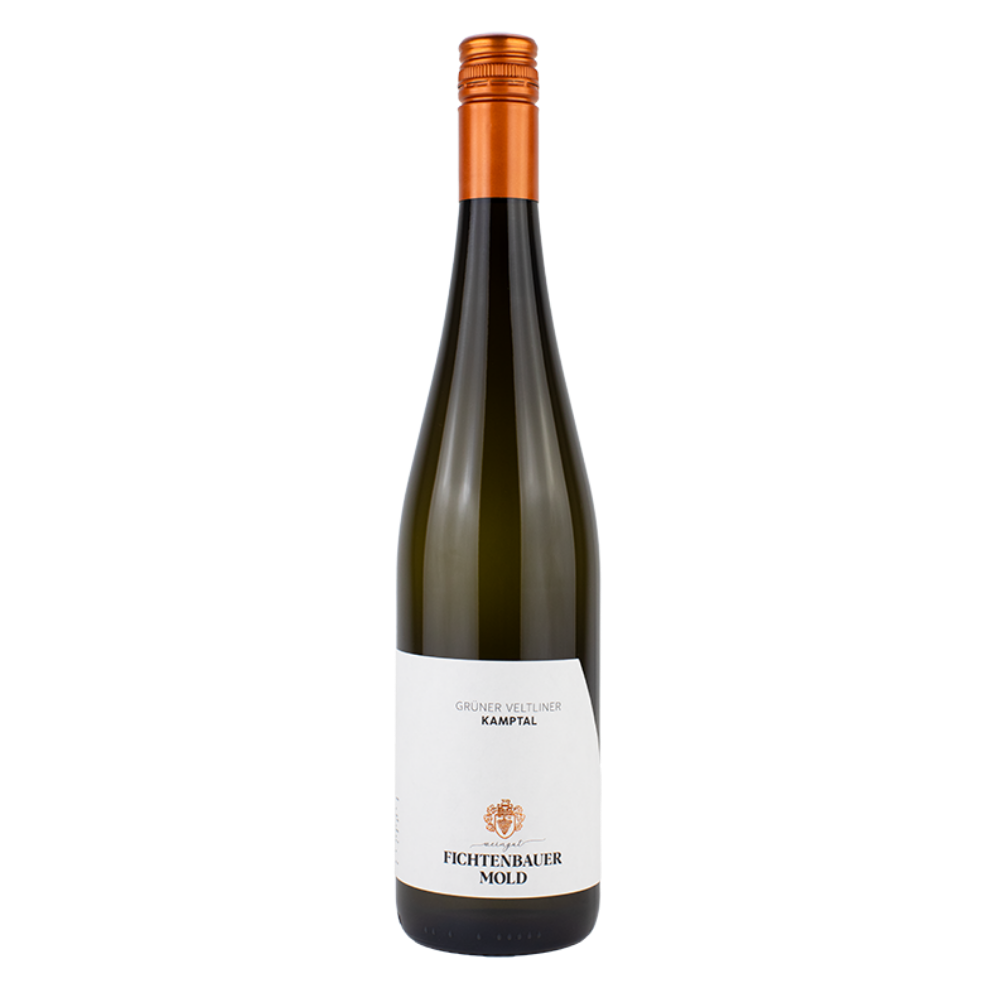
Gruner Veltliner Kamptal – Fichtenbauer Mold
€ 10,88The wines from Kamptal are typical of the unique style of this wine-growing region. They carry the designation DAC, which stands for Districtus Austriae Controllatus. This legal abbreviation is used for Austrian quality wines that are particularly representative of their region and have unmistakable regional characteristics. DAC wines reflect the typical qualities of their area of origin, making each sip a true expression of the region’s unique terroir.
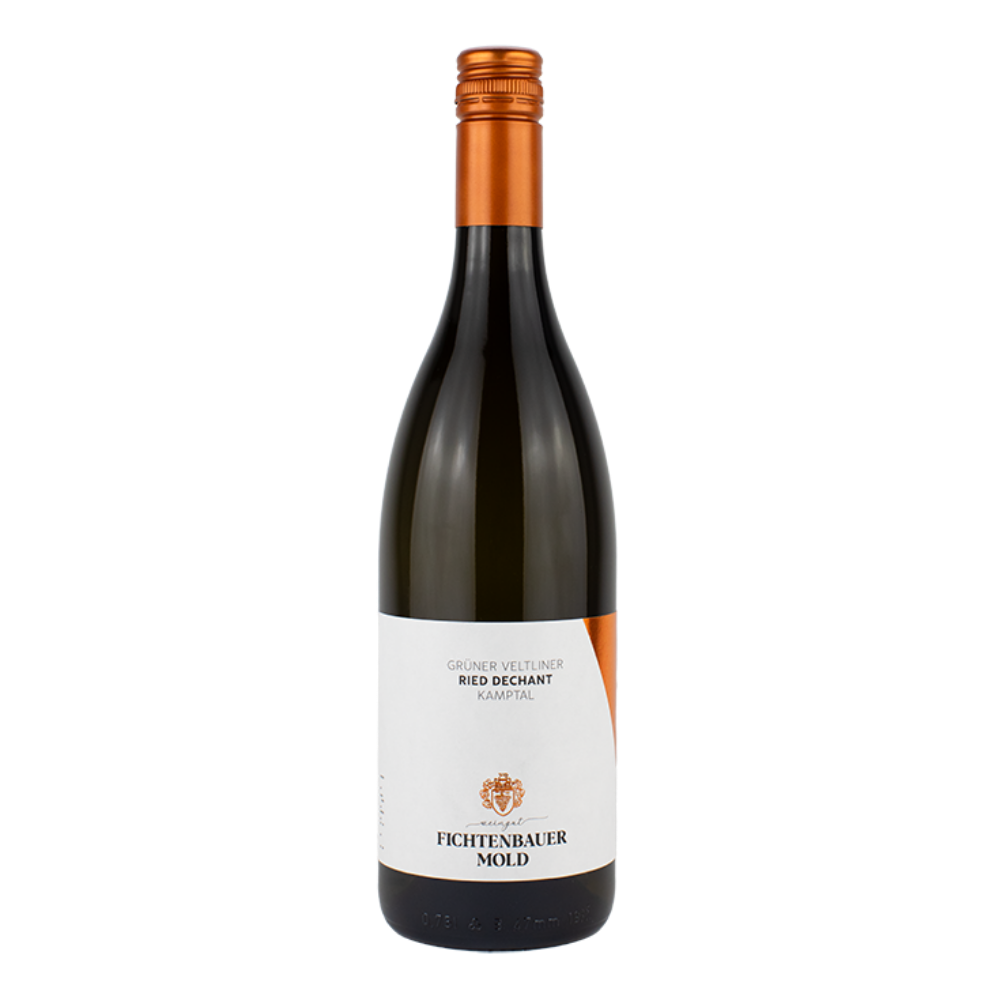
Gruner Veltliner Kamptal Dechant – Fichtenbauer Mold
€ 30,20The special weather conditions of the Ried Dechant have a great influence on the development of this powerful Grüner Veltliner. In the north, the location is strongly protected from the wind by a stand of trees. This allows the grapes to ripen quickly and the acidity to remain mild. After the harvest, the wine is stored in wooden barrels on fine yeast for at least a year, which allows it to develop into a round and characterful wine. This Grüner Veltliner has a high storage potential and is meant to be experienced, tasted and enjoyed slowly.
Grüner Veltliner Ried Dechant “Reserve”
€ 27,80The nose presents a delicate quality, yet hints of citrus pith and pear peel imply strength, maturity, and depth. The palate affirms this impression while introducing a lively, vibrant freshness that imparts a feeling of juiciness. This wine is both rounded and assertive, while also being lively, concentrated, and refreshing. — Anne Krebiehl MW
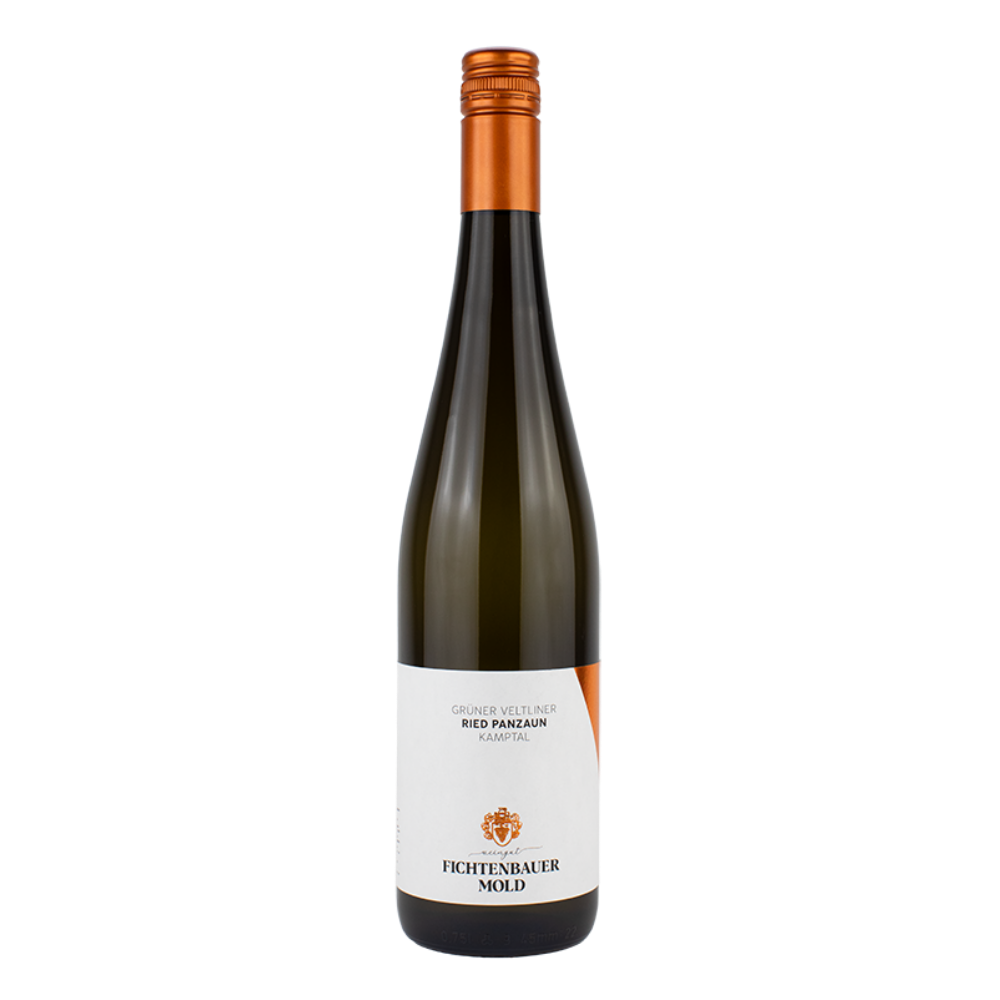
Gruner Veltliner Ried Panzaun Kamptal – Fichtenbauer Mold
€ 14,80This pure loess location, with predominantly flat vineyards, is situated on a high plateau south of Langenlois, at an altitude of around 220 to 290 metres above sea level. The loamy-sandy terroir has a balanced mineralogical composition, making it ideal for the typical Grüner Veltliner variety.
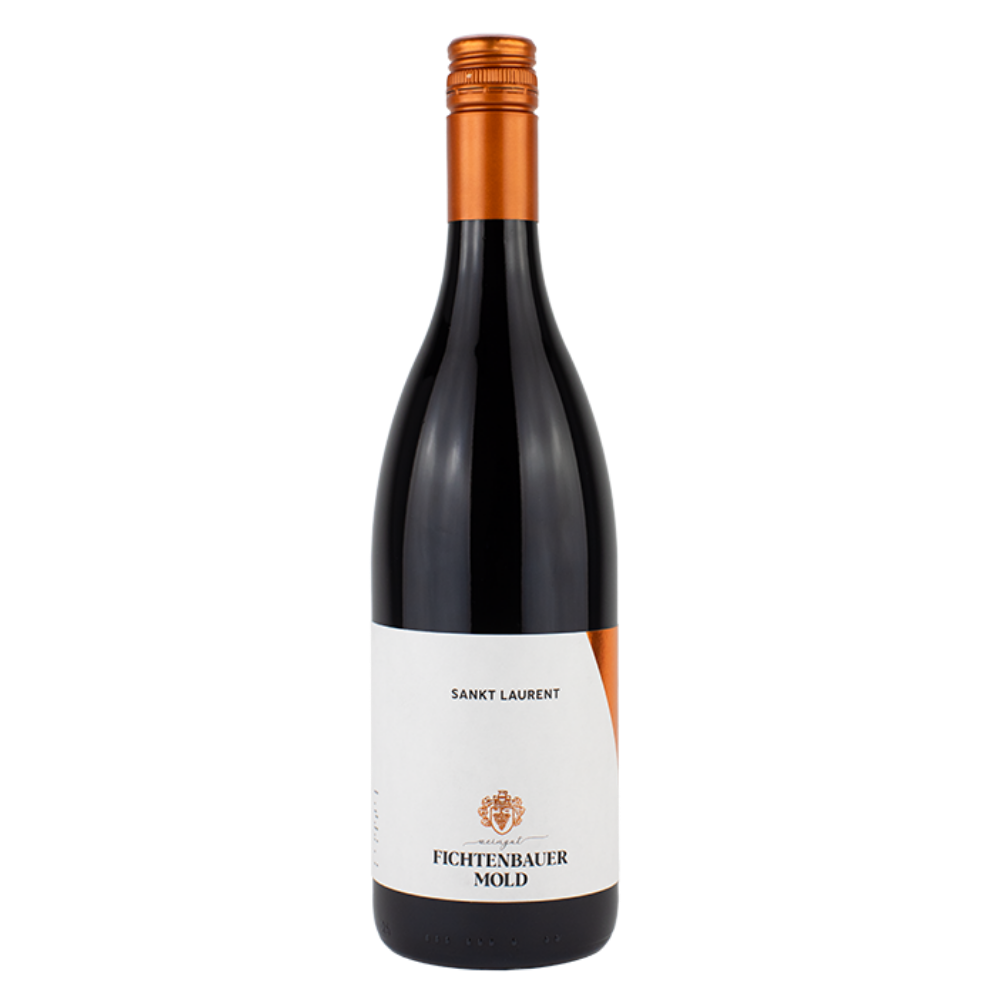
Sankt Laurent Ried Thal – Fichtenbauer Mold
€ 26,51When it comes to vineyard practices, Sankt Laurent is the diva of wines, needing a great deal of care and attention. We harvest this delicate cultivar throughout a few different cycles. The grapes for this classic wine are grown on half-century-old vines that are placed on south-facing terraces with loess soils.
We age it in fresh barriques, where the wood and the biological acid reduction aid in the development of its bouquet. Earthy tones of beetroot and sweet flavors of cherries and plums are revealed in the glass of Sankt Laurent.